August 7, 2026
Maintaining the physical integrity of your roof is vital for safeguarding your property from severe weather, moisture damage, and costly structural issues. Property owners often overlook subtle signs of exterior wear until water infiltrates living spaces or commercial interiors. Acting quickly at the first sign of trouble allows you to address localized vulnerabilities before they turn into major structural expenses.
Why Are Water Stains and Active Leaks Critical Alarms?
Water stains on ceilings or interior walls are direct indicators that moisture has penetrated your exterior roofing barrier and compromised internal building assemblies. By the time damp patches, discoloration, or active drips appear indoors, water has often saturated insulation, degraded drywall, and traveled along structural ceiling joists. Roofing professionals utilize specialized diagnostic techniques to locate exact entry points, preventing hidden moisture from causing extensive wood rot, electrical hazards, or widespread mold growth throughout the building framework.
Ignoring persistent moisture intrusion accelerates structural decay and weakens load-bearing components over time. Water trapped inside enclosed ceiling cavities breaks down organic building materials, creating prime breeding grounds for fungal contamination that damages indoor air quality. Engaging licensed roofers for prompt leak tracing and repair stops water migration immediately, preserving interior finishes, protecting subflooring, and keeping your property safe and dry through intense weather events.
Unchecked water migration often creeps along internal wiring pathways and wall framing, quietly rusting metal fasteners and creating hidden structural vulnerabilities far from the initial point of entry. Over time, saturated insulation completely loses its R-value, driving up monthly utility bills and causing HVAC systems to work significantly harder. Furthermore, persistent moisture encourages toxic mold spores to multiply rapidly within dark structural cavities, threatening indoor air quality for building occupants. Seeking immediate professional assistance ensures that deep-seated dampness is completely mitigated, protecting both your property's physical framework and the health of everyone inside.
How Does Shingle Damage Indicate System Failure?
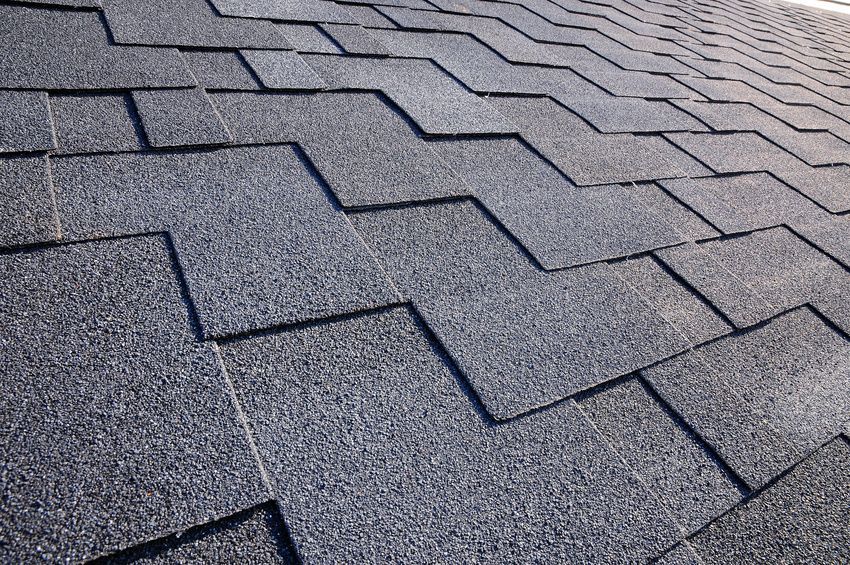
Exterior roofing materials endure constant exposure to harsh solar radiation, temperature swings, high winds, and heavy rainfall. According to This Old House, asphalt shingles last for up to 30 years. However, environmental stress can shorten this lifespan, causing shingles to crack, curl at the edges, cup upward, or lose their protective surface granules over time. When surface granules wash into gutters or shingles break away entirely, underlying deck materials are left defenseless against direct water exposure.
Visual inspections from the ground often reveal uneven texture, dark patches, or missing sections across your roof line. When surface materials degrade, wind-driven rain easily forces water beneath remaining coverage layers, damaging structural decking and underlayment. Seasoned roofers evaluate the extent of material degradation to determine whether targeted shingle replacement, underlayment restoration, or a full system upgrade is necessary to restore maximum weather resistance.
As shingles lose their flexibility and protective outer granules, they become increasingly brittle and prone to blowing off during moderate windstorms. This loss of physical integrity leaves the underlying waterproof barrier exposed to direct UV rays and driving rain, accelerating the decay of plywood decking beneath. Left unaddressed, compromised shingles expose raw building materials to rot and structural sagging, transforming what could have been a routine material repair into an extensive and costly structural overhaul. Timely material evaluations ensure that minor shingle distress is addressed before moisture permanently damages the core framework of your home.
Why Is Roof Sagging an Immediate Emergency?
A sagging roofline is one of the most critical structural warning signs a property owner can encounter, indicating severe compromise beneath the surface. Sagging usually points to trapped moisture that has rotted structural decking, weakened trusses, or overloaded structural support beams. Accumulated moisture from ongoing hidden leaks softens wood framing, causing sections of the roof deck to dip dangerously under the weight of standard building materials.
Continuing to operate beneath a sagging structural assembly poses severe safety risks to building occupants and property assets. Attempting simple surface repairs or temporary patches will not resolve underlying framing failures. Expert roofers must inspect structural load distribution, replace rotted plywood decking, reinforce damaged rafters, and install comprehensive waterproof underlayment to restore structural integrity and ensure long-term stability.
When a roofline dips, it compromises the engineered weight distribution across your entire property, transferring unnatural physical stress to exterior load-bearing walls and foundation points. Over time, this structural shifting can cause interior door frames to warp, drywall to crack, and window assemblies to jam. Ignoring a sagging roofline drastically increases the risk of a catastrophic partial or total structural collapse during heavy snowfalls or high-wind storm events. Immediate professional intervention stabilizes the building's skeletal structure, preventing irreparable structural damage and ensuring long-term safety, property value, and peace of mind for everyone inside.
How Do Flashing Defects Cause Hidden Leaks?
Flashing consists of metal strips installed around roof penetrations, valleys, chimneys, skylights, and vertical wall intersections to direct water away from vulnerable seams. Over time, thermal expansion, aging sealants, and strong winds can loosen, rust, or lift flashing components out of alignment. When metal flashing fails, heavy rainfall flows straight into hidden structural joints and wall cavities without creating immediate indoor dripping.
Defective flashing allows silent water infiltration that damages structural framing for months before visible signs emerge inside the property. Professional roofers examine high-risk seam areas, replacing corroded metal strips, applying industrial sealants, and re-securing flashing assemblies. Ensuring all perimeter flashing components are tightly sealed keeps heavy rainwater flowing efficiently into gutters rather than seeping beneath your roof line.
What Are the Risks of Granule Accumulation in Gutters?
Finding high concentrations of coarse, sand-like granules inside your gutter channels or downspouts indicates advanced material erosion across composition shingle surfaces. Granules provide essential UV protection, impact resistance, and fire retardation for asphalt composition shingles. As shingles reach the end of their functional service life, protective granules loosen and wash away, leaving the raw asphalt substrate exposed to intense solar heat and weather exposure.
Without this protective outer coating, bare shingles dry out, become brittle, and crack quickly under everyday weather conditions. Continuous granule loss signficantly reduces solar reflectivity, increasing heat absorption into upper floor interiors and raising cooling costs during warm summer months. Certified roofers measure remaining surface coverage to recommend timely restoration strategies, helping you prevent total system failure before exposed underlayment deteriorates.
Why Is Commercial Flat Roof Ponding Dangerous?
Flat and low-slope roofs on commercial or multi-family properties present unique drainage challenges that require specialized maintenance. Standing water that remains on flat membrane surfaces for more than 48 hours after rainfall is known as ponding water. Ponding adds immense dead weight to building structures, accelerates membrane breakdown, and degrades critical heat-welded seams on flat single-ply TPO systems.
Unchecked standing water rapidly erodes protective surface coatings, causes seam separations, and damages sub-roof insulation boards.
Experienced commercial roofers resolve ponding issues by installing tapered insulation systems, cleaning clogged drainage scuppers, and applying durable TPO single-ply or modified peel-and-stick membranes. Proactive flat roof maintenance protects valuable inventory, prevents costly business disruptions, and ensures long-term weatherproofing across commercial real estate investments.
Taking immediate action at the first sign of exterior damage protects your property from costly structural deterioration, internal leaks, and unexpected repair expenses. Whether you need targeted composition shingle repairs, specialized tile or standing seam metal work, or full commercial TPO flat roof replacement, working with certified specialists ensures lasting peace of mind. Contact Final Touch Roofing, Inc today to schedule a comprehensive free inspection and secure reliable structural protection for your home or business.